
Marine Consultancy, Ship Design & Naval Architect Company In Malaysia
Mega Salutes Ship Design specialises in the design of custom tankers and oil tankers, including rigid and semi-trailer configurations, manufactured in aluminium, mild steel, or stainless steel, with various axle arrangements and loading configurations to suit specific operational requirements.
Best offshore support vessel :
-
Platform Supply Vessel (PSV): Best for routine logistics—carrying equipment, deck cargo, fuel, water, and other supplies to offshore installations. Many can hold position near a platform using dynamic positioning.
-
Anchor Handling Tug Supply (AHTS): Best for towing rigs or floating facilities and deploying or recovering anchors; it can also carry supplies.
-
Construction or subsea support vessel (CSV/OCV): Best for seabed installation, inspection, maintenance, and repair, often using cranes, remotely operated vehicles (ROVs), or other specialist equipment.
-
Crew transfer vessel (CTV) or service operation vessel (SOV): Best for transporting technicians and supporting offshore wind-farm operations.
-
Dive-support vessel (DSV): Best for offshore work requiring commercial diving and a stable position at the worksite.
-
Standby/safety vessel: Best for emergency response and safety coverage near offshore facilities.
MEGA SALUTES SHIP DESIGN also leads green ship design in electrification of vessels in Diesel Electric, Hybrid and Fully Electric Vessels solution in Kuching, Sarawak, Malaysia, Australia and around the region.
As part of our wider maritime support, we also offer ship marine engineering services and brokerage services in Kuching, Sarawak, Malaysia, Australia and around the region to help shipowners, operators, and buyers identify suitable vessels and navigate the buying, selling, and acquisition process with practical industry guidance.
MS SHIP DESIGN is the pioneer IR 4.0 Ship Design, Naval Architecture & Marine Consultancy in Malaysia and the region.
Mega Salutes Ship Design team of Naval Architects, strives to cater for changing trends in marine industry with creative design philosophy & optimized designs achieved through cutting-edge technologies.

SHIP DESIGN, MARINE CONSULTANCY AND NAVAL ARCHITECT IN ELECTRIC, HYBRID AND GREEN FUEL VESSELS
MEGA SALUTES SHIP DESIGN SDN BHD (MS SHIP DESIGN) leads the industry with Diesel Electric, Fully Electric, Hybrid, LNG, Methanol, and Biofuel integrations. We ensure diverse fleets meet rigorous new emission standards and sustainable design goals.
The main benefits of Diesel-Electric Vessel Design include:
-
Improved Fuel Efficiency – Optimises engine performance and reduces fuel consumption.
-
Lower Operating Costs – Reduces overall fuel and maintenance expenses.
-
Reduced Emissions – Minimises exhaust emissions and environmental impact.
-
Flexible Power Distribution – Delivers power efficiently according to vessel demands.
-
Enhanced Manoeuvrability – Provides better propulsion control and handling.
-
Reduced Noise and Vibration – Improves onboard comfort and working conditions.
-
Optimised Engine Performance – Allows generators to operate at more efficient load levels.
The main benefits of Fully Electric Vessel Design include:
-
Zero Direct Emissions – Eliminates onboard exhaust emissions during operation.
-
Lower Operating Costs – Reduces fuel and routine maintenance expenses.
-
Silent Operation – Minimises noise and vibration for a quieter onboard environment.
-
Higher Energy Efficiency – Converts electrical energy into propulsion more efficiently.
-
Eco-Friendly Operations – Reduces environmental impact and supports sustainable shipping.
-
Simplified Maintenance – Fewer moving parts reduce mechanical wear and maintenance requirements.
-
Advanced Energy Management – Enables efficient battery storage and power distribution.
The main benefits of Hybrid Vessel Design include:
-
Improved Fuel Efficiency – Combines multiple power sources to optimise energy consumption.
-
Lower Operating Costs – Reduces fuel consumption and overall operating expenses.
-
Reduced Emissions – Lowers carbon emissions and air pollutants.
-
Flexible Power Management – Switches between power sources based on operational demands.
-
Enhanced Performance – Delivers optimised propulsion and power for different operating conditions.
-
Energy Recovery – Can store and reuse excess energy through battery systems.
-
Greater Operational Flexibility – Supports efficient operation across different vessel types and missions.
The main benefits of LNG-Powered Vessel Design include:
-
Lower Emissions – Reduces CO₂, sulphur oxides (SOx), nitrogen oxides (NOx) and particulate emissions compared to conventional marine fuels.
-
Improved Air Quality – Produces cleaner exhaust with significantly lower air pollutants.
-
Fuel Efficiency – Supports efficient engine performance and fuel utilisation.
-
Reduced Environmental Impact – Helps vessels meet stricter environmental regulations.
-
Reliable Power Supply – Provides dependable propulsion and onboard power.
-
Cleaner Fuel Alternative – Offers an alternative to conventional heavy fuel oil and marine diesel.
-
Long-Term Sustainability – Supports the transition towards lower-emission marine transportation.
The main benefits of Methanol-Powered Vessel Design include:
-
Lower Emissions – Reduces sulphur oxides (SOx), nitrogen oxides (NOx) and particulate emissions.
-
Cleaner Fuel Alternative – Offers an alternative to conventional marine fuels.
-
Flexible Fuel Options – Supports the use of conventional and renewable methanol, depending on engine compatibility.
-
Easier Fuel Handling – Methanol is liquid at ambient temperature, simplifying storage and bunkering compared to LNG.
-
Reduced Carbon Footprint – Renewable green methanol can significantly reduce lifecycle greenhouse gas emissions.
-
Simplified Fuel Storage – Avoids the need for cryogenic storage systems required by LNG.
-
Regulatory Compliance – Helps vessels adapt to increasingly strict maritime environmental regulations.
The main benefits of Biofuel-Integrated Vessel Design include:
-
Lower Carbon Emissions – Reduces lifecycle greenhouse gas emissions compared to conventional marine fuels.
-
Renewable Energy Source – Utilises sustainable biofuels derived from renewable organic materials.
-
Fuel Compatibility – Certain biofuels can be used in existing marine engines with minimal modifications.
-
Reduced Environmental Impact – Helps lower air pollutants and supports cleaner marine operations.
-
Improved Sustainability – Supports the maritime industry's transition towards renewable energy.
-
Reduced Dependence on Fossil Fuels – Diversifies energy sources and improves long-term fuel security.
-
Cost Flexibility – Offers potential fuel cost savings depending on biofuel availability and market prices.
Electric vessels vs. conventional ships
In brief: Battery-electric vessels are usually cleaner, quieter and more efficient in operation, but their range and charging needs make them best suited to short, regular routes. Conventional fuel-powered ships still have the advantage for long voyages and heavy-duty ocean shipping. Hybrid vessels can bridge the gap.
| | Battery-electric vessel | Conventional fuel-powered ship | |---|---|---| | Energy and efficiency | Electric motors use energy efficiently and respond quickly to changes in power demand. | Fuel engines can carry a large amount of energy onboard, making long trips without recharging practical. | | Emissions and noise | No exhaust emissions while sailing; overall climate impact depends on how the electricity is generated and includes battery production. Electric operation is also quieter. | Burns fuel and releases exhaust and greenhouse gases during operation; engine noise and vibration are generally greater. | | Range and payload | Battery weight and space limit range and can reduce room for passengers or cargo. | Generally better for long-distance, continuous operation and carrying heavy loads over long routes. | | Refuelling / charging | Needs suitable shore charging, enough time to charge, and adequate port-grid capacity; some vessels can swap battery containers. | Can refuel at ports, but depends on fuel availability and storage. | | Costs and maintenance | Can reduce fuel use and engine maintenance, but batteries, installation and charging infrastructure can raise upfront costs. | Established technology and refuelling networks, though fuel and engine upkeep are ongoing costs. |

210
Ships
116
Shipyards
10
Class
Voice of Innovation
"Working with MS Ship Design was transformative! Their expertise in super efficient hull forms, production design technology and the efficiency in shipbuilding and green propulsion has helped us tremendously."
MICHAEL Ting
SAPOR SHIPBUILDING INDUSTRIES SDN BHD
Featured Vessels
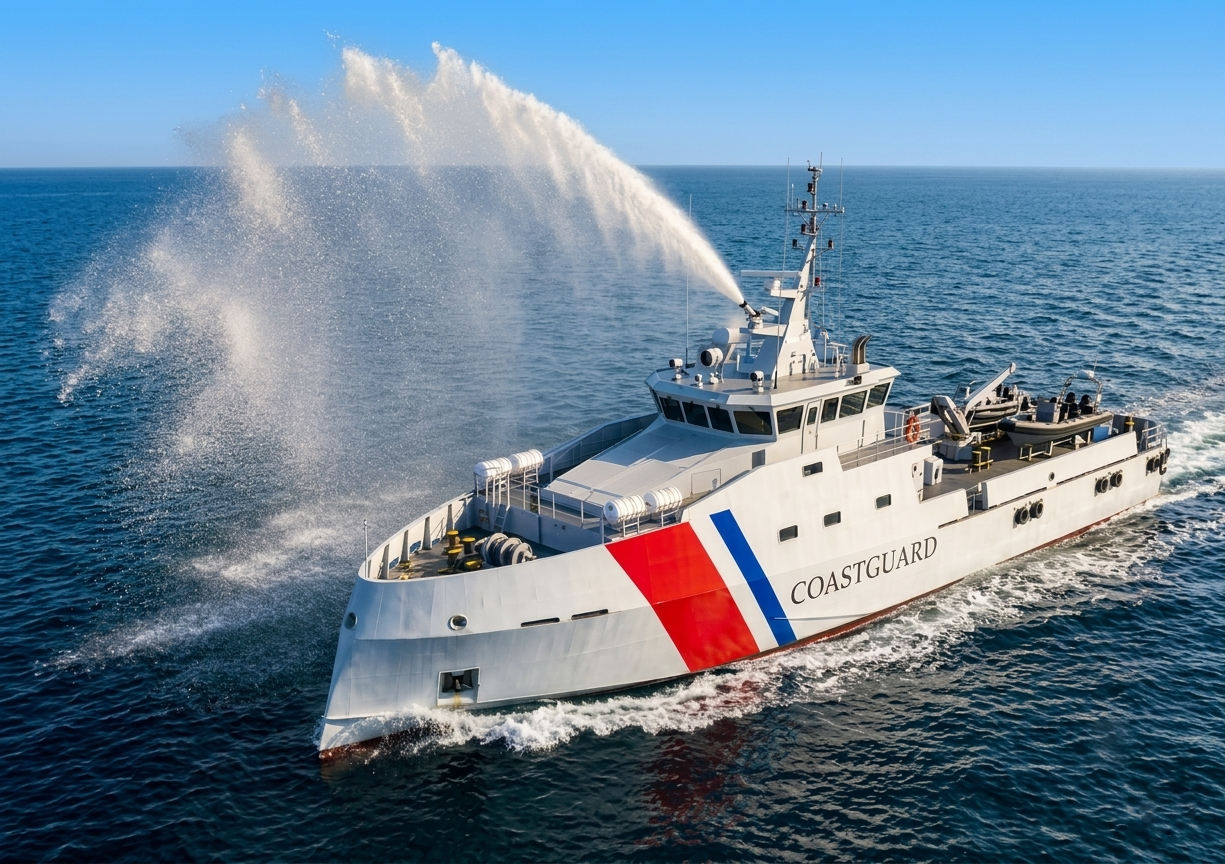
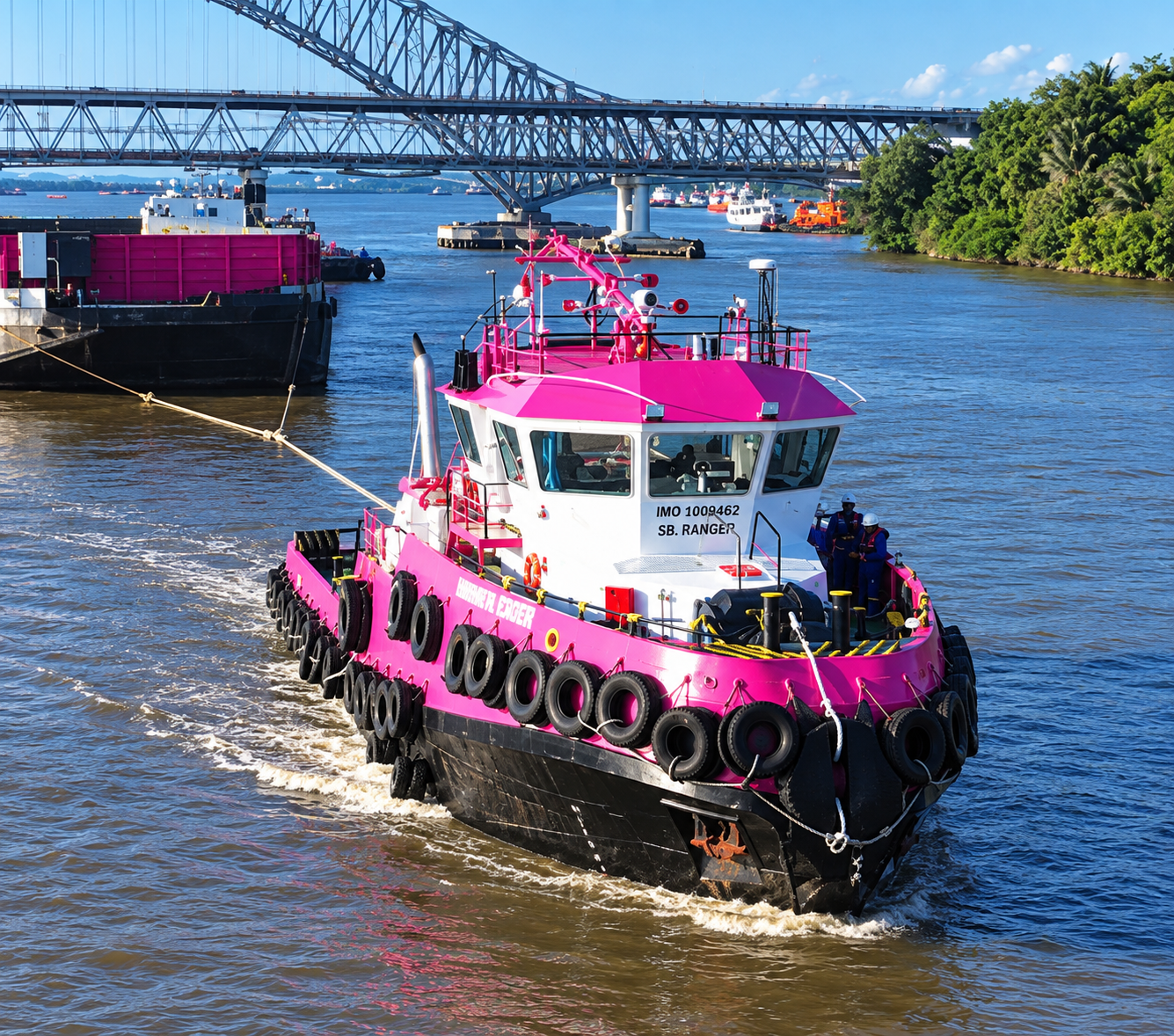
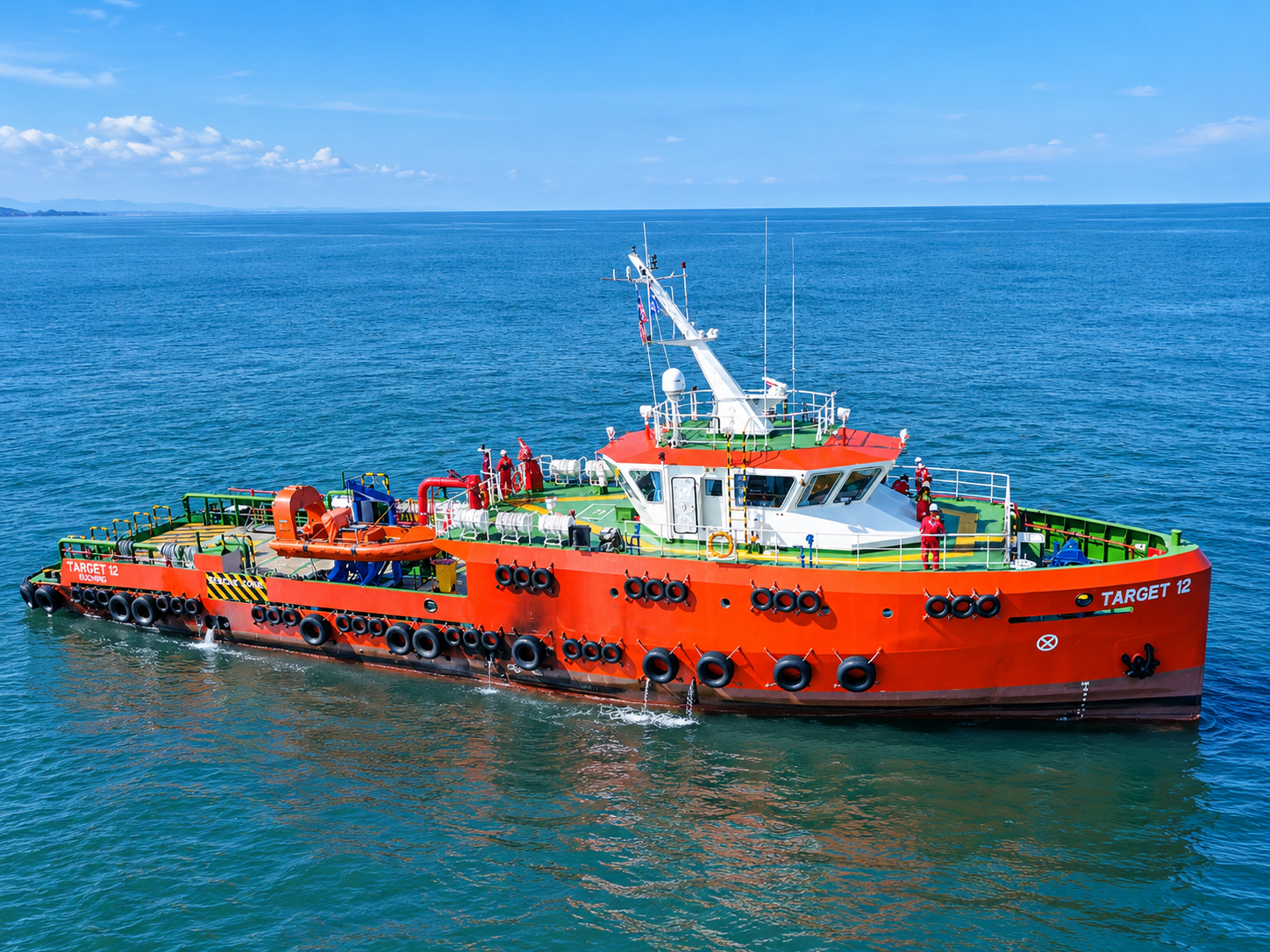
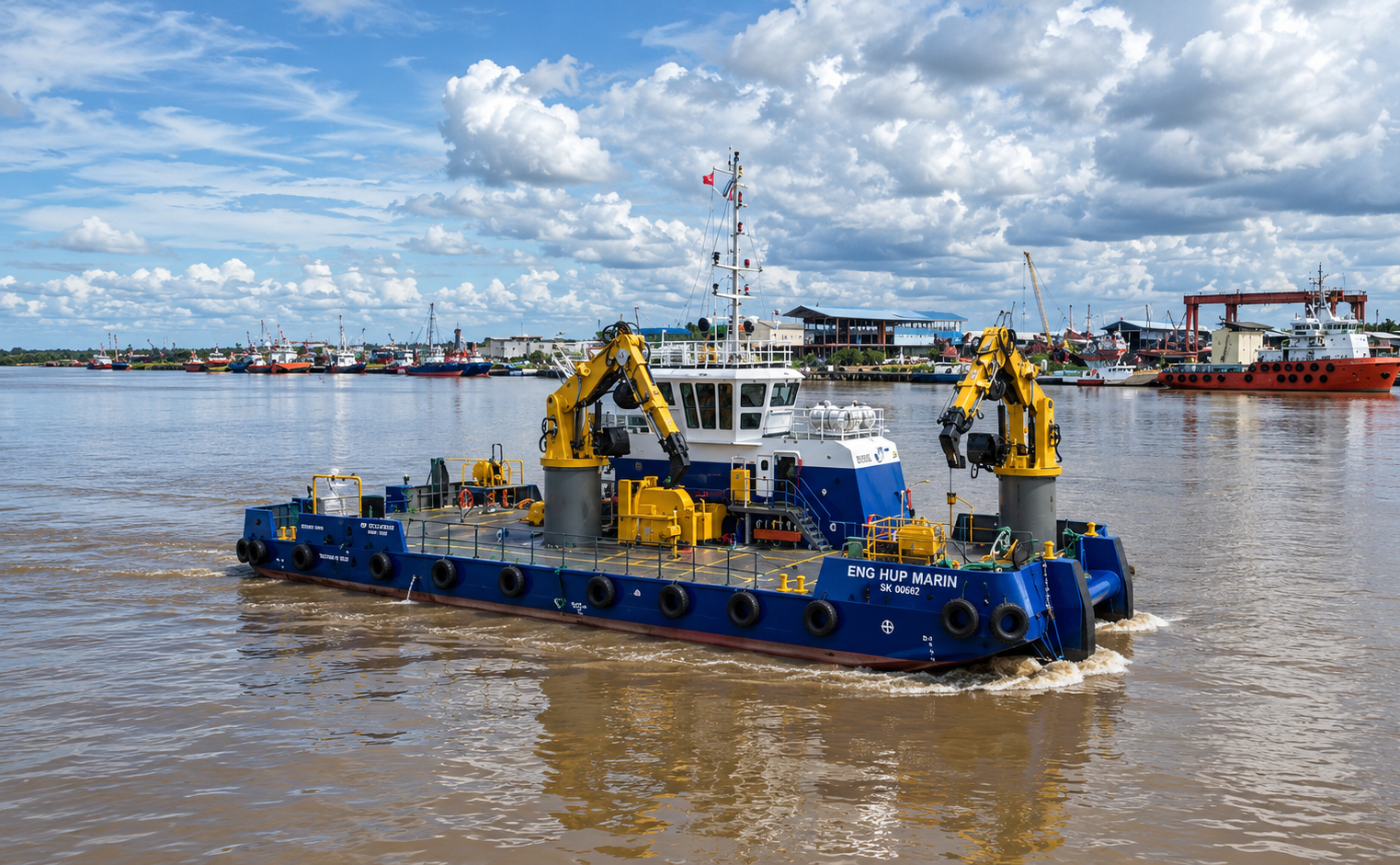
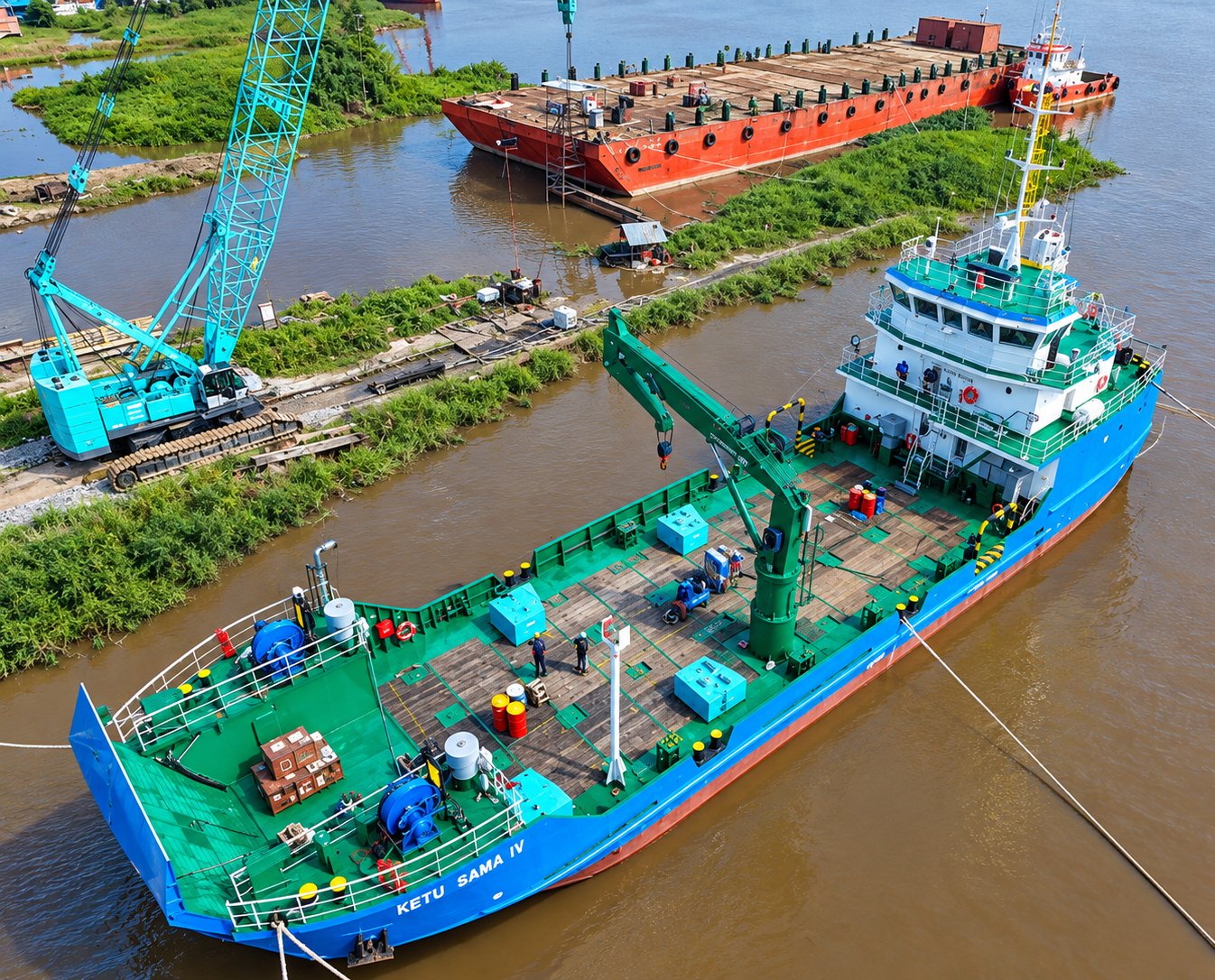
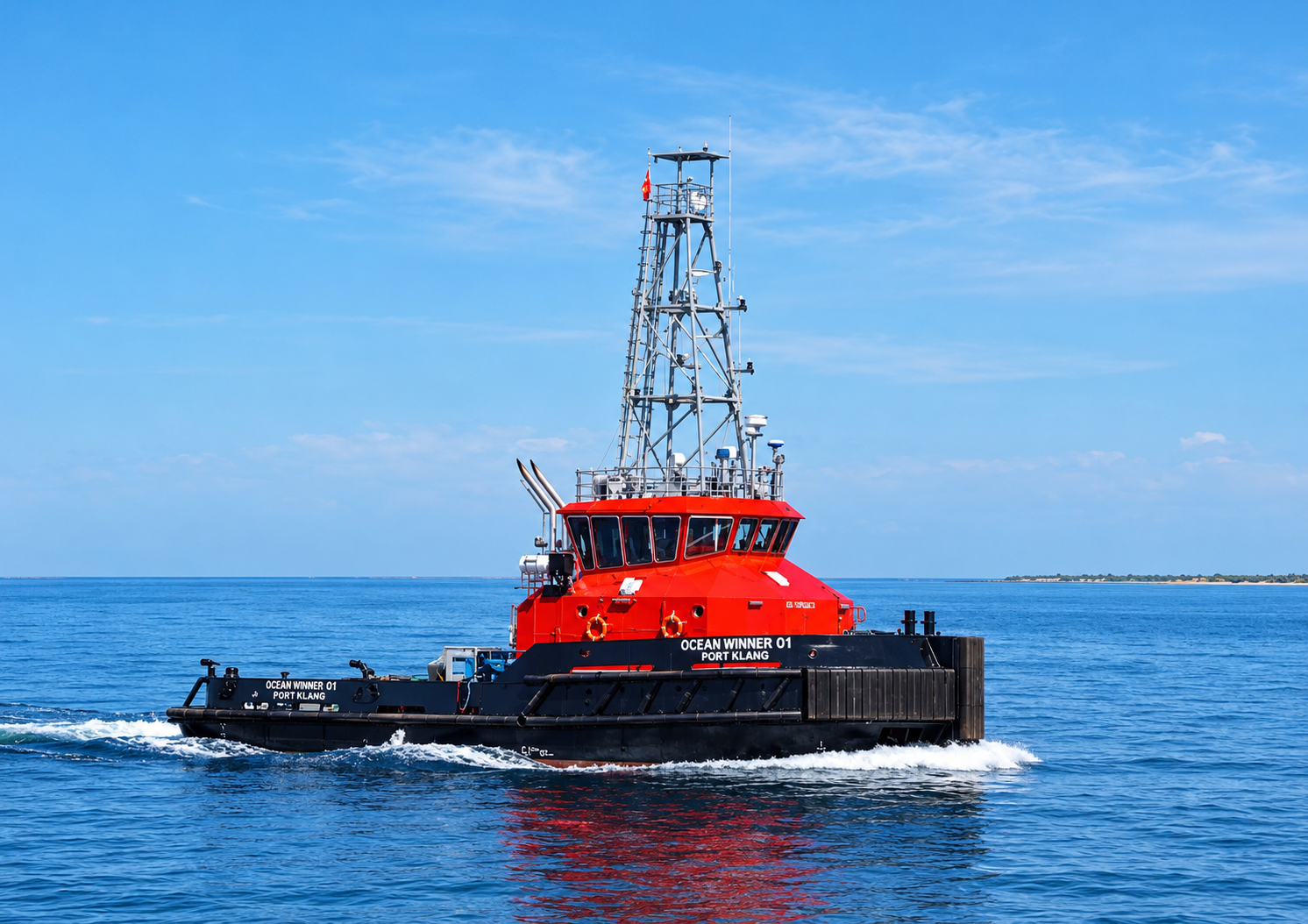
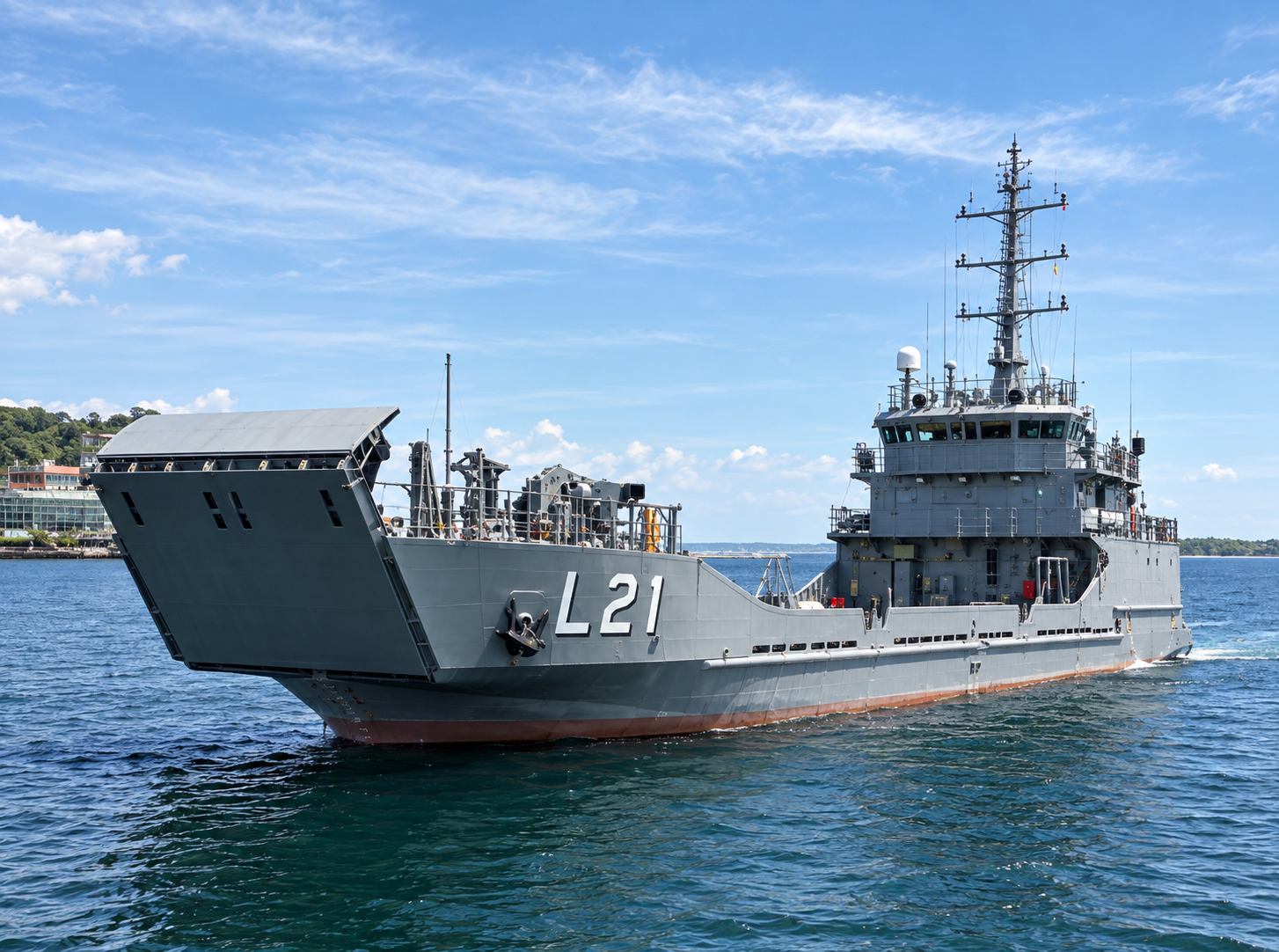
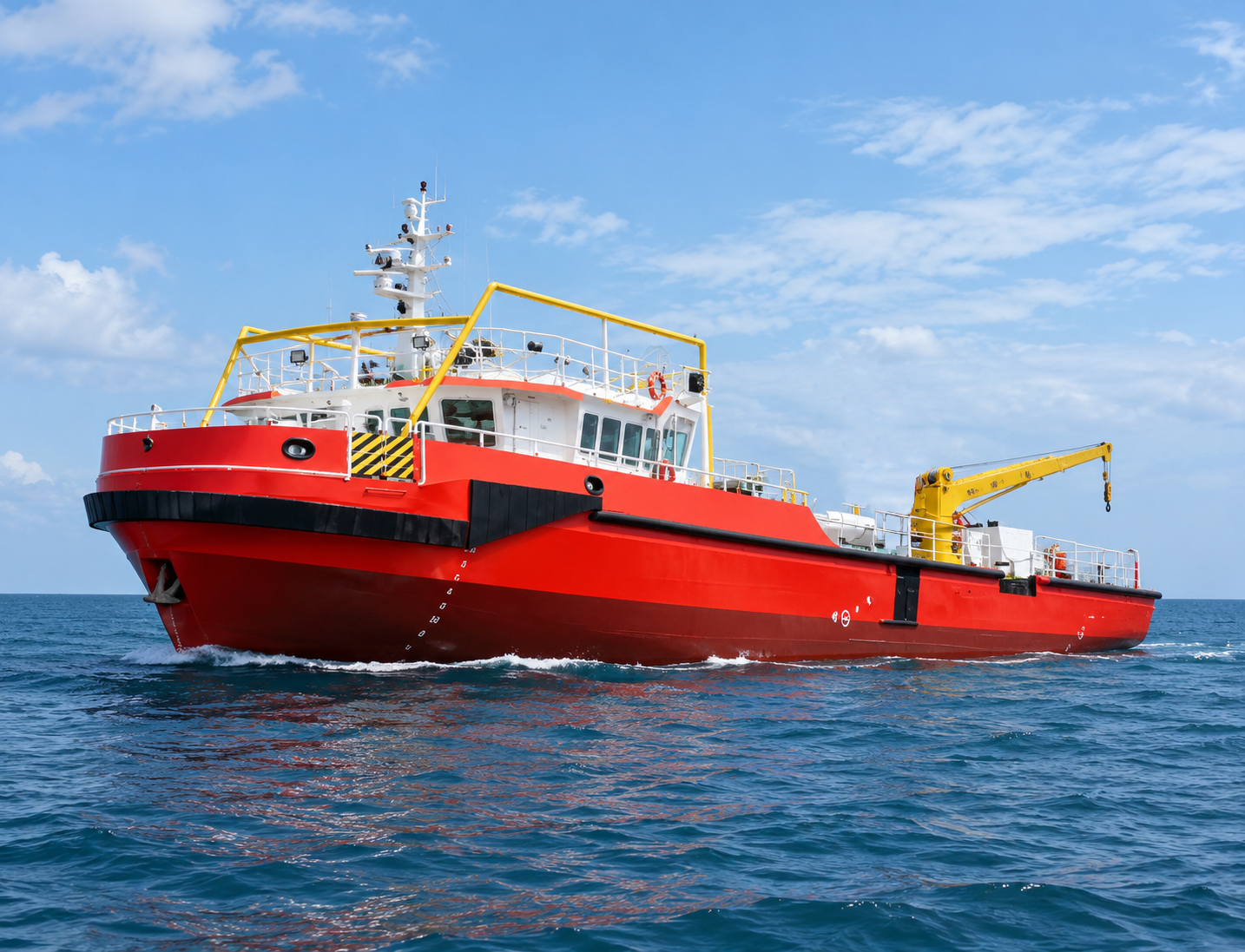
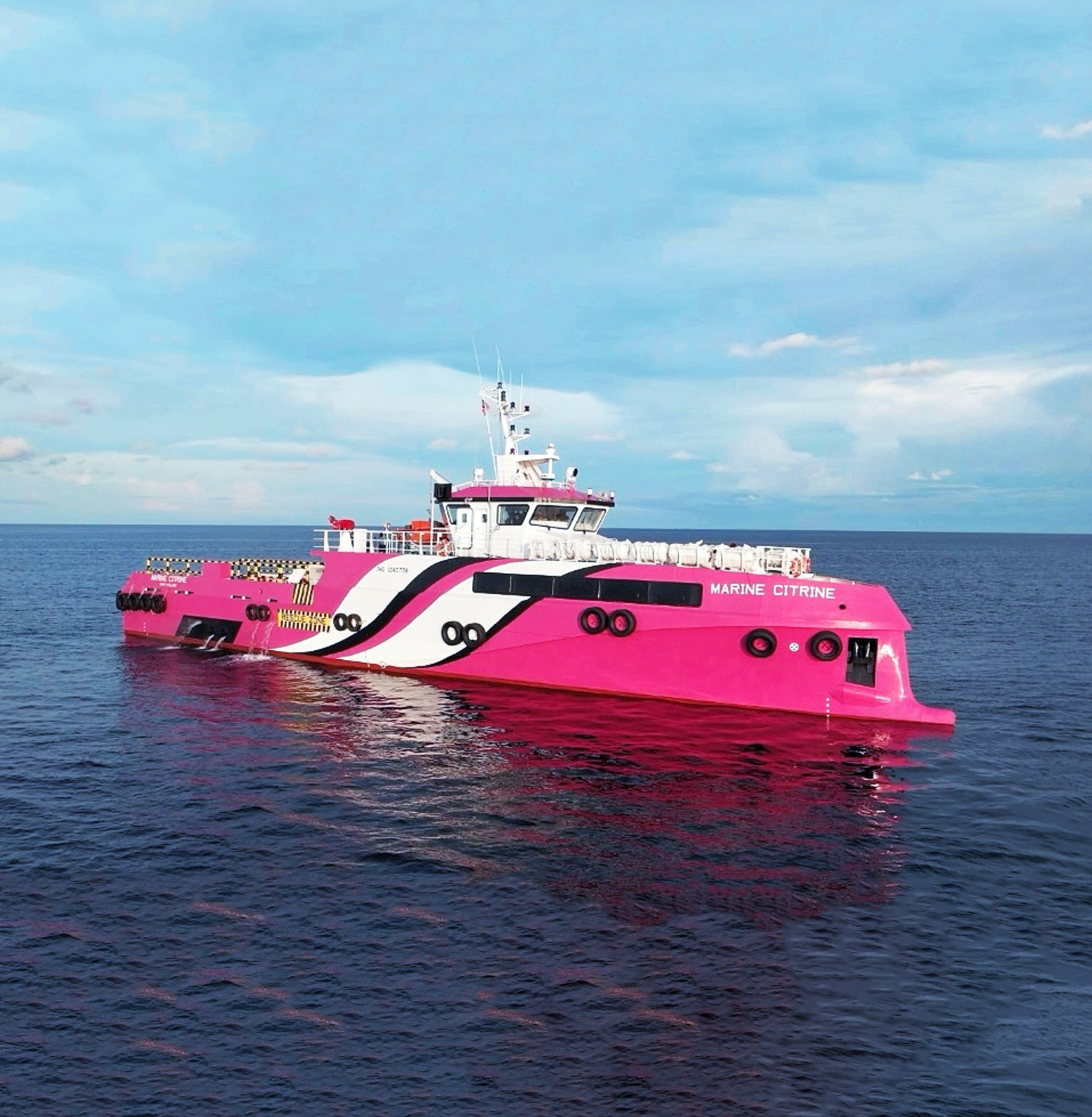
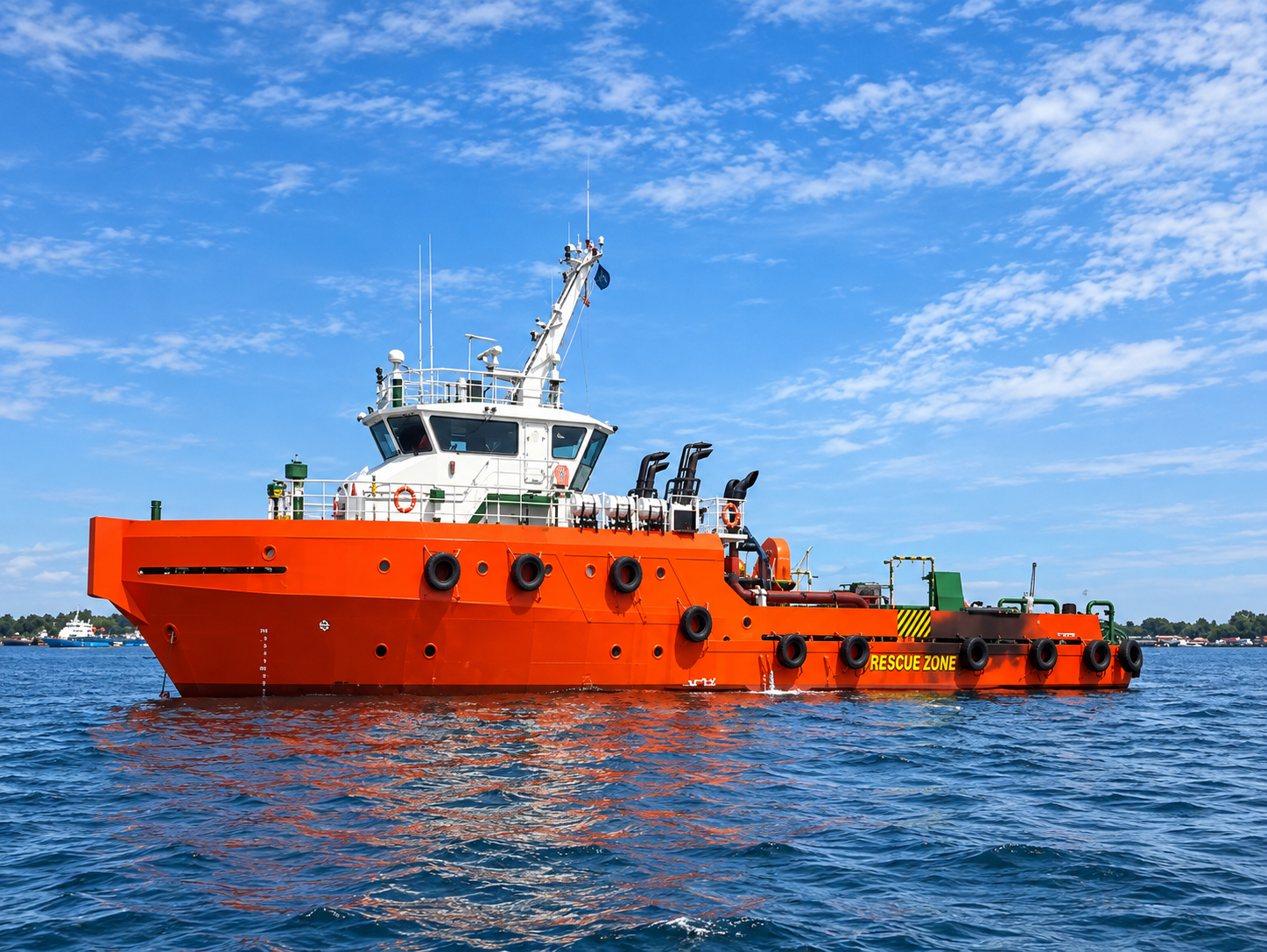
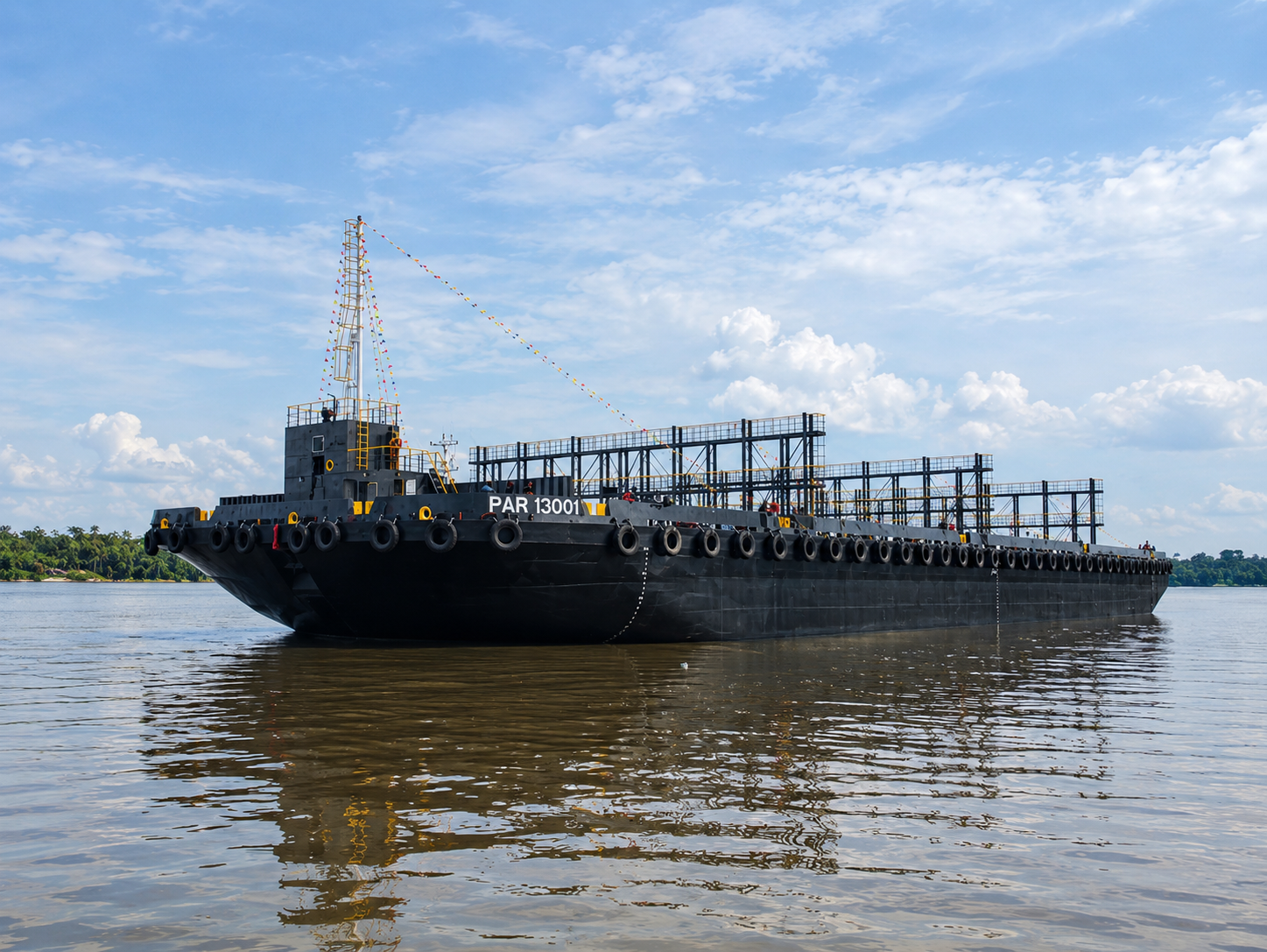
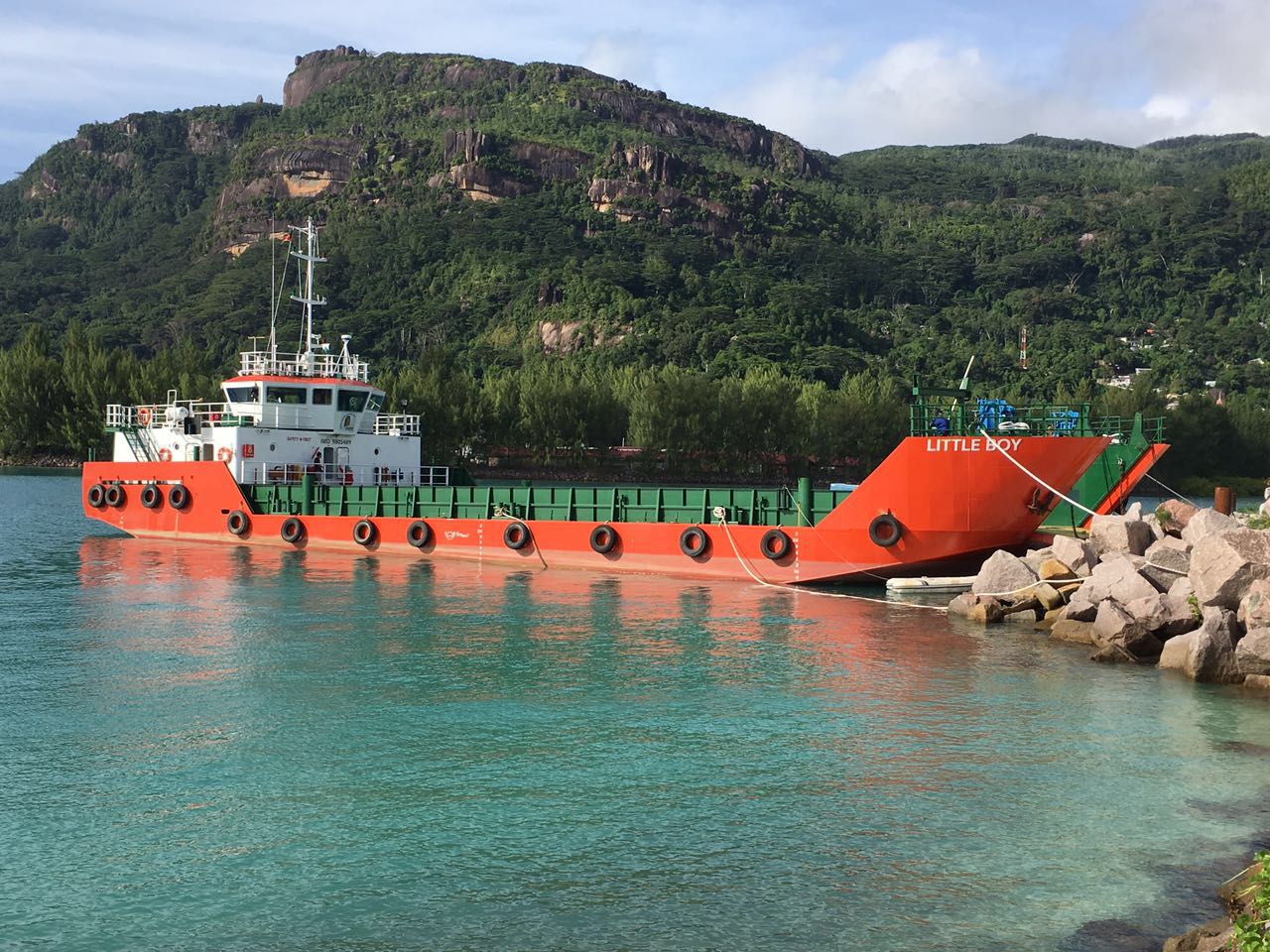
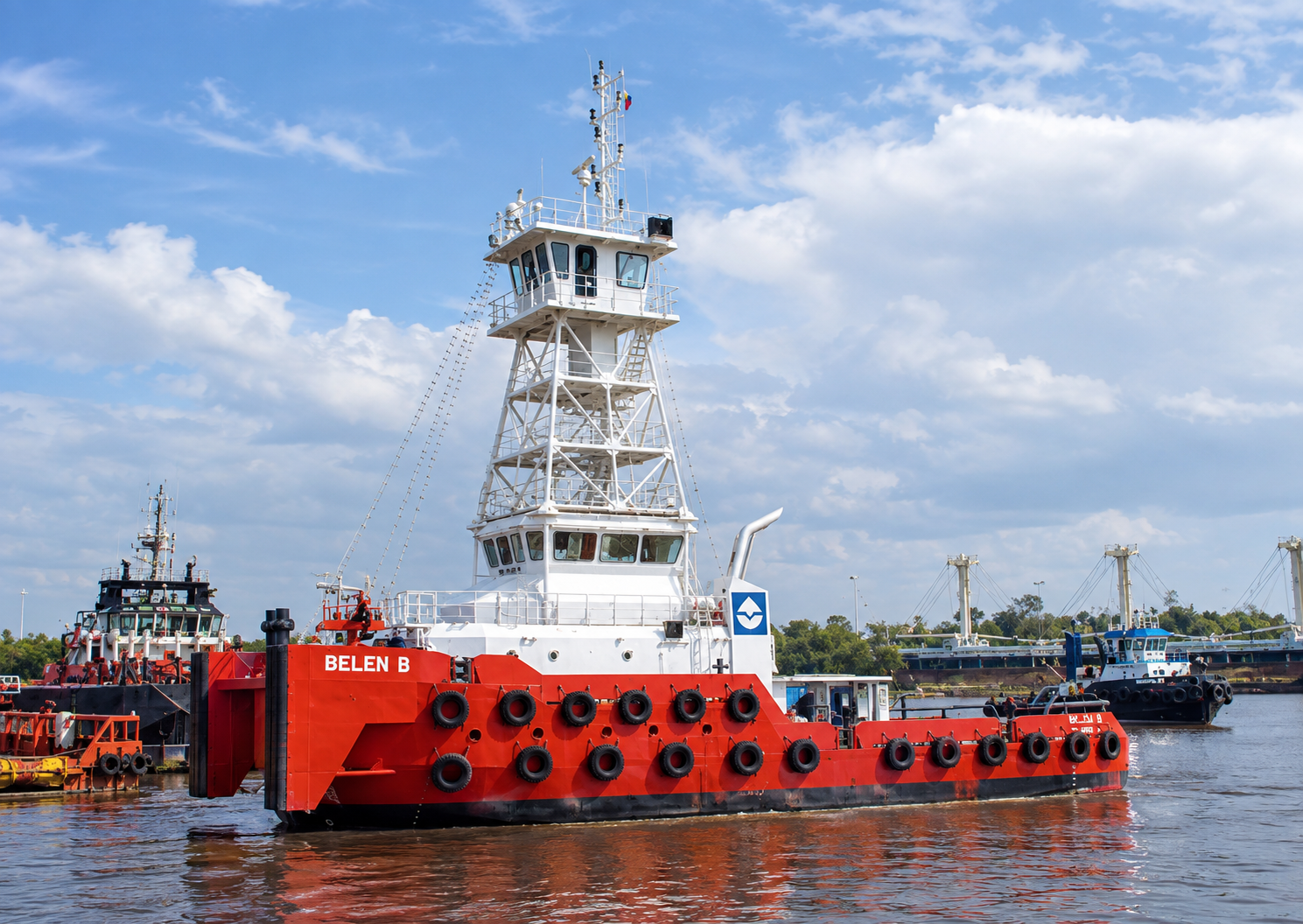
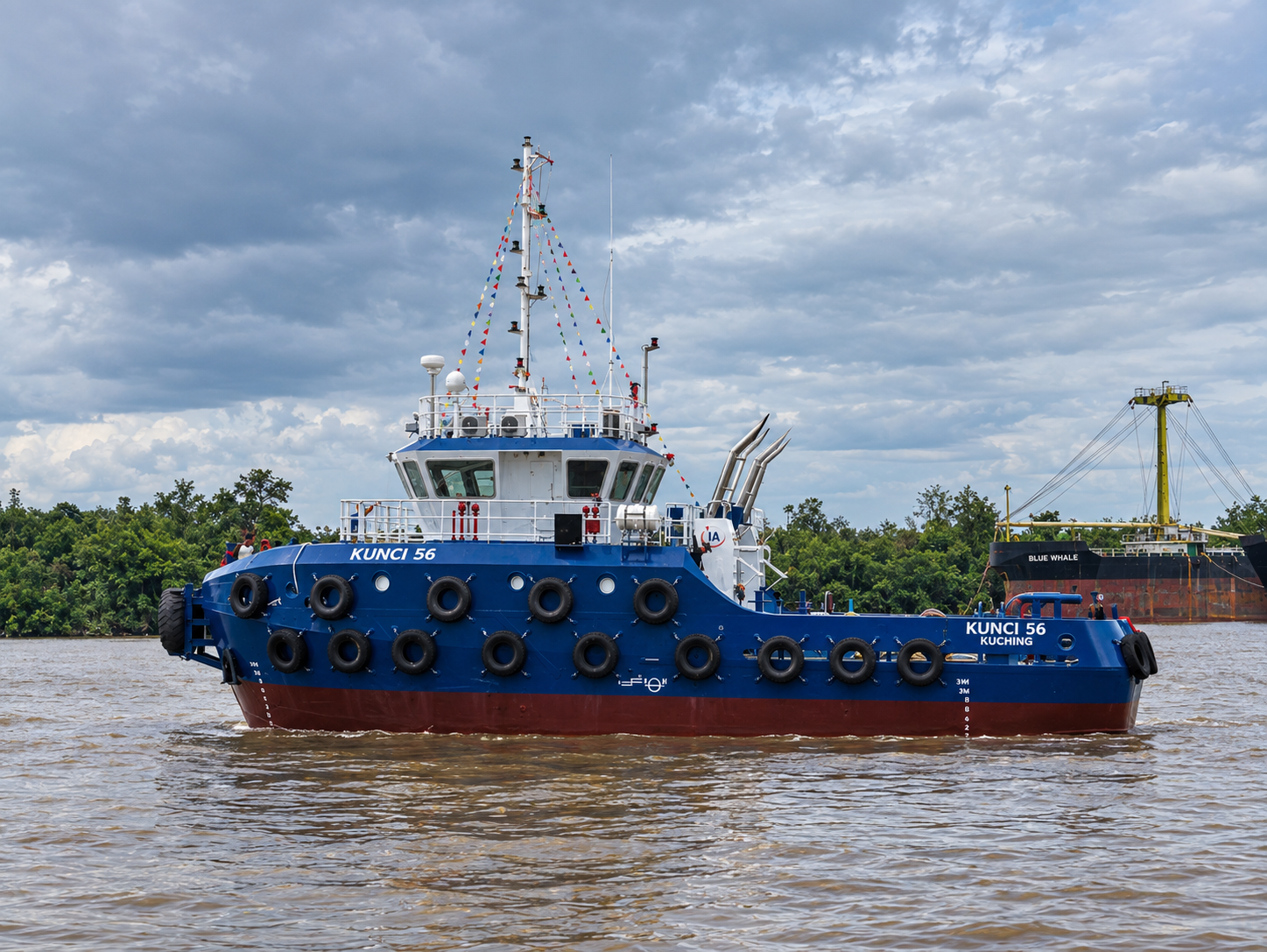
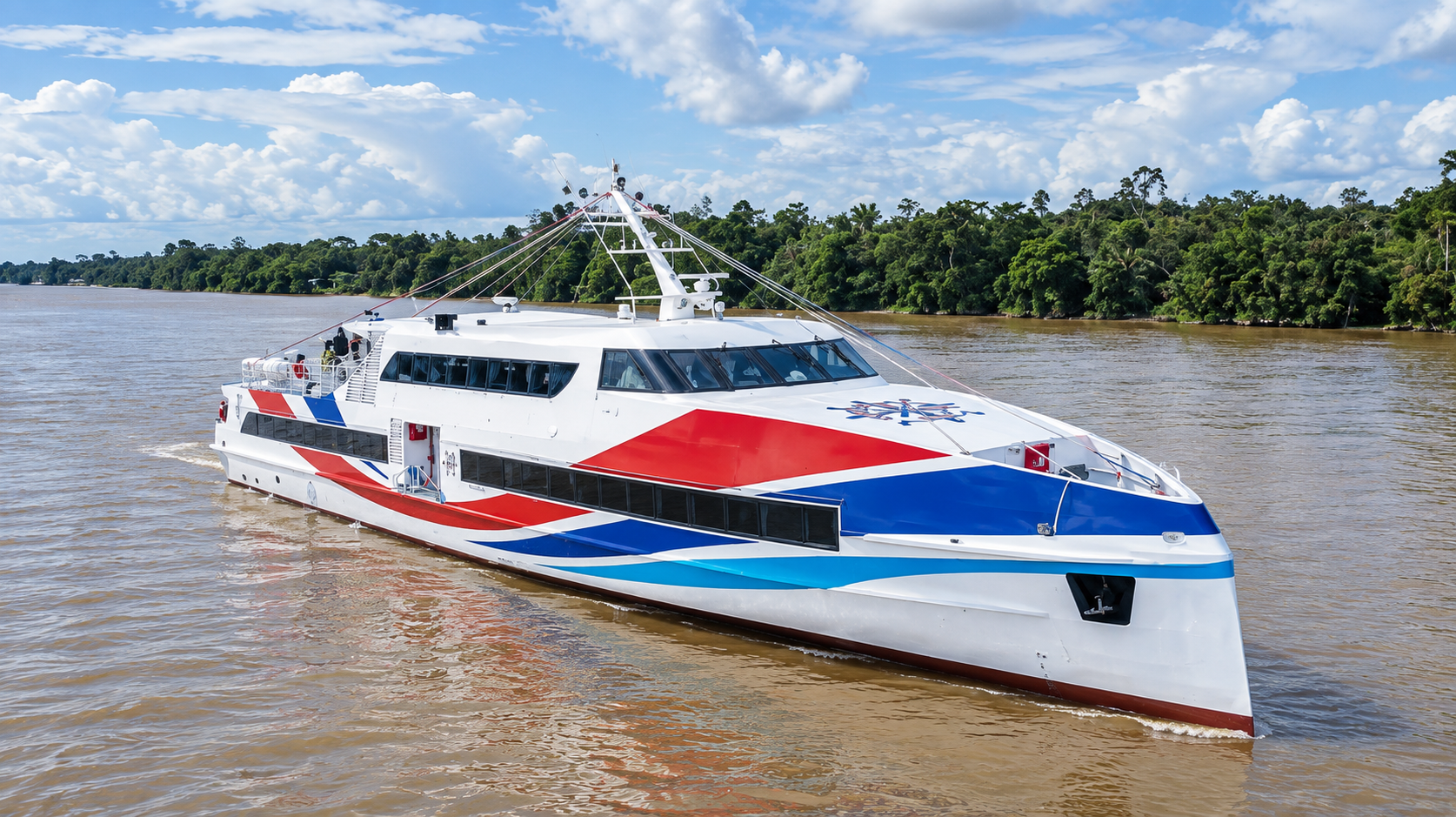
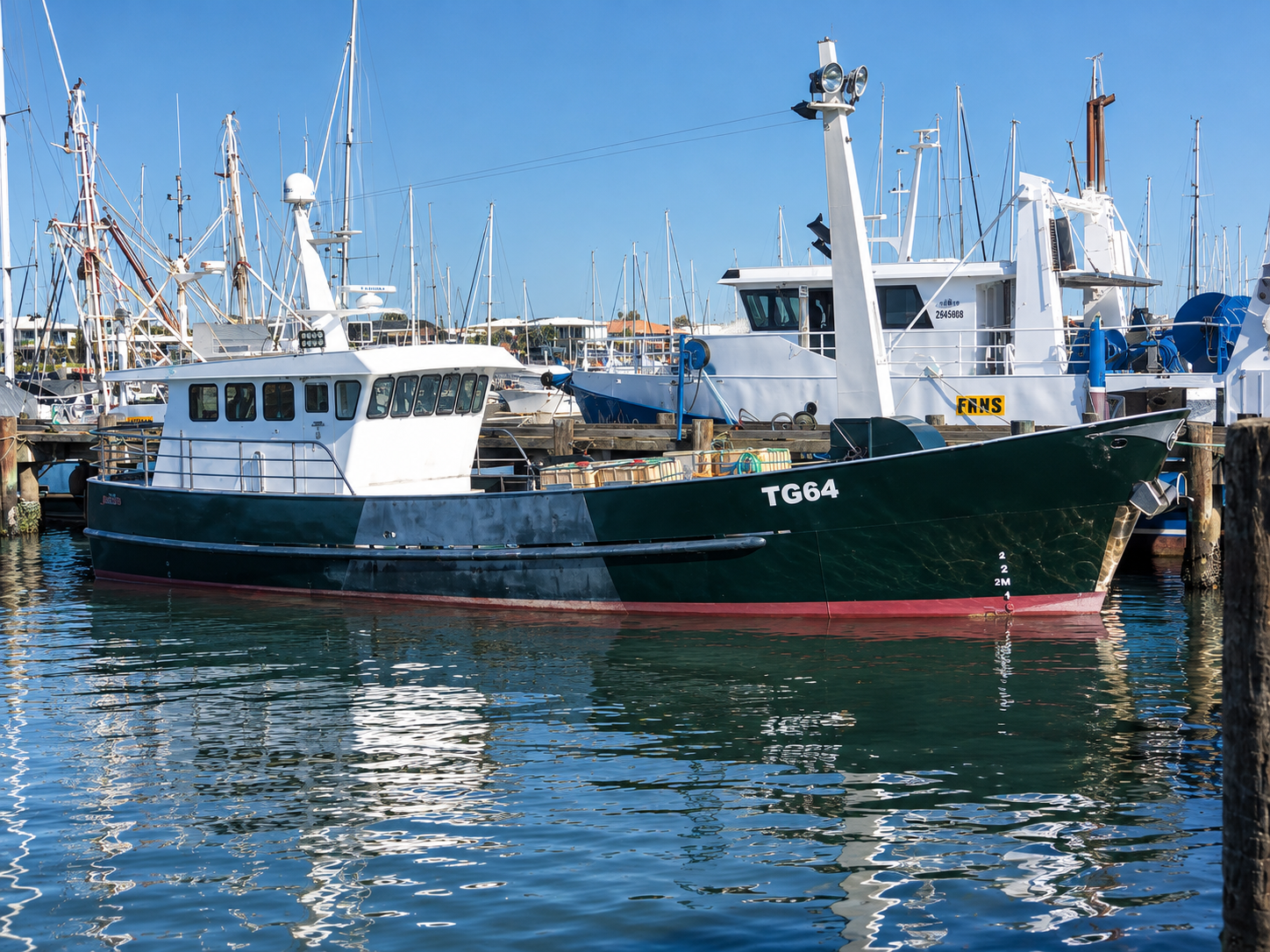
A technical showcase of our innovative fleet, from large Ro-Pax catamarans to specialized Offshore Support Vessels, designed to redefine maritime efficiency.


How we do ship design and naval architect

Design
We turn practical ideas into dependable vessels. From design and engineering through construction and consultation, our team helps shipowners and builders create efficient ships ready for the demands of life at sea.

Build
Our build support turns approved designs into dependable vessels. We work closely with shipyards and project teams to solve technical challenges, improve efficiency, and keep construction moving with confidence.

Consult
Our consulting service gives shipowners, builders, and project teams practical guidance at every stage. We help review concepts, solve technical challenges, and make confident decisions that support safe, efficient vessel development.